USC Viterbi Department of Astronautical Engineering

USC Engineers Prepare to Listen as Orion Heads for the Moon
A 4.5-meter dish antenna on the USC campus will join 33 other ground stations contributing to a study of how spacecraft signals behave at lunar distance.
Learn More
Image
Astronautical Engineering News
Image
The USC Department of Astronautical Engineering (ASTE) is expanding its focus on space robotics, with an emphasis on autonomous systems that can operate in extreme and unmapped environments.
At the 7th Summit for Space Sustainability in Paris, USC PhD student José Pedro Ferreira raised awareness of the potential impacts of space activities in the atmosphere and the need for emerging research to be reflected in global governance.
Image
The academic program and its record-breaking student-run USC Rocket Propulsion Lab are celebrating 20 years of advancing space exploration through stellar research and teaching.
Image
Image
How to follow the peak experience of a lunar landing? Earn a graduate degree from USC.
Image
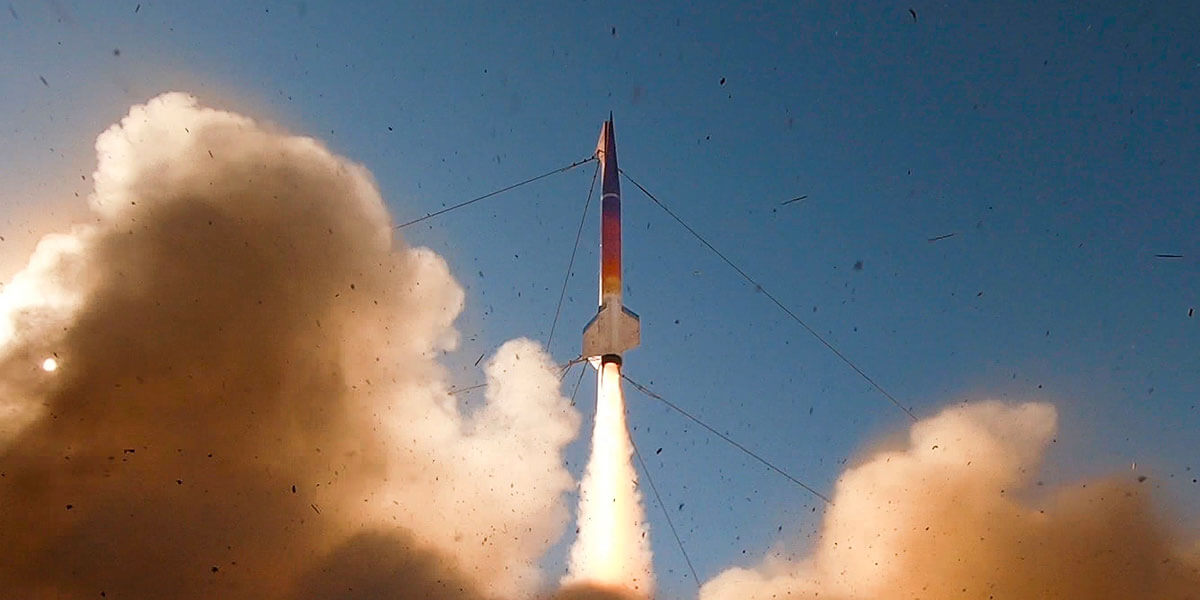
The successful launch of USCRPL's latest rocket, Malibu, marks a major turning point for the record-breaking student team: the ability to send a payload up to space.

Astronautical Engineering at USC Viterbi

Astronautical Engineering encompasses the dynamic and cutting-edge fields of advanced science and space technology. Space engineers design, build and operate rockets and missiles, space launchers, communications and direct broadcasting satellites, space navigational systems, remote sensing and reconnaissance satellites, space vehicles for human spaceflight, and planetary probes.

There is no better academic major than Astronautical Engineering in which to obtain the education and to acquire the skills needed for space engineers.
Learn more
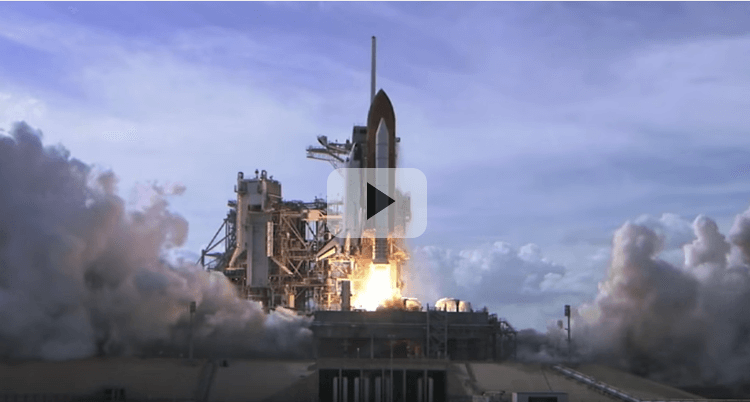
Space Shuttle
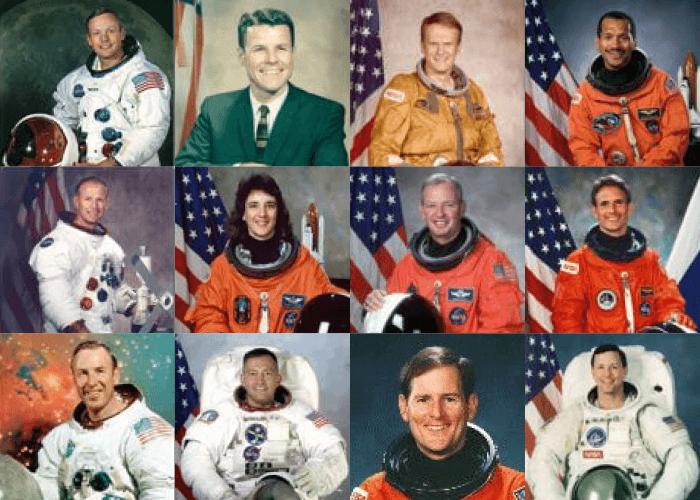
Astronauts

Trojans in Space

Do you know how many Trojan astronauts were in space?
Find out!

Astronautical Engineering News and Media Coverage

A screenshot of Professor Garrett Reisman is on CNN.

Garrett Reisman was part of a panel that was commenting live about the Artemis launch.

A panoramic view of the USC ground station. In the foreground is the 4.5 meter dish antenna, in the background is the 3 meter Yagi antenna.

Professor Barnhart and USC Viterbi Astro students Vishruti Gohel and Mike Gallagher were interviewed about USC’s role as one of 34 sites around the world providing data to NASA.

A panoramic view of the USC ground station. In the foreground is the 4.5 meter dish antenna, in the background is the 3 meter Yagi antenna.

A 4.5-meter dish antenna on the USC campus will join 33 other ground stations contributing to a study of how spacecraft signals behave at lunar distance.

José Pedro Ferreira presents his keynote speech, "Clearing the Air: Understanding and Engaging on Possible Atmospheric Impacts of Space Activities" to an international audience of leaders in the space industry

At the 7th Summit for Space Sustainability in Paris, USC PhD student José Pedro Ferreira raised awareness of the potential impacts of space activities in the atmosphere and the need for emerging research to be reflected in global governance.

Two students are at a table building a satellite

More than 60 students, faculty, and industry professionals over 2 years and multiple classes have contributed to the design, development, and testing of MAVERIC.


View all News | Media Coverage
Published on February 23rd, 2017Last updated on April 3rd, 2026